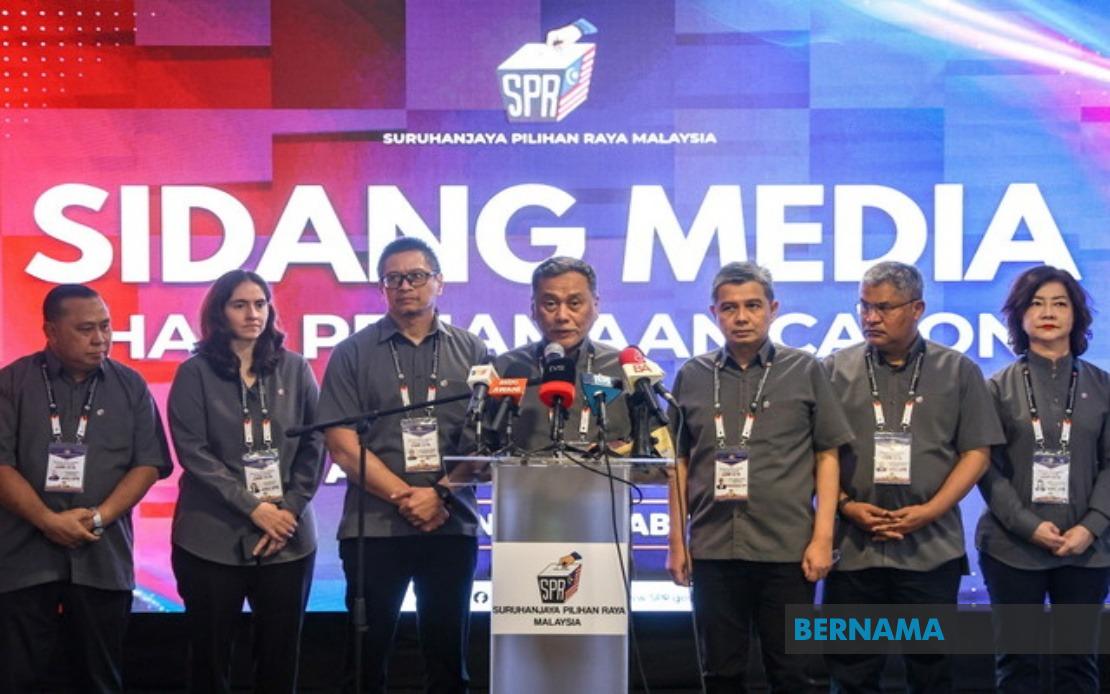
The 16th Johor state election will see an unusually competitive field, with 172 candidates formally accepted to contest across the 56 available seats following the completion of nomination procedures at all designated centres on June 27. Election Commission chairman Datuk Seri Ramlan Harun confirmed that every nomination paper submitted met the required standards, resulting in zero disqualifications—a testament to the quality of the candidate pool entering the fray.
The gender composition of candidates reflects ongoing efforts toward greater representation, though male candidates still significantly outnumber their female counterparts. Out of the 172 approved contenders, 138 are men while 34 are women, representing roughly 20 percent female participation in this crucial electoral round. This ratio, while showing modest progress toward parity, underscores the continued underrepresentation of women in Malaysian electoral contests and raises questions about internal party nomination processes and candidate selection criteria.
Barisan Nasional and Pakatan Harapan have emerged as the dominant forces in this election, each fielding exactly 56 candidates across all constituencies. This equal positioning suggests a fiercely contested battle between these two major blocs, with every seat representing a genuine battleground. Their symmetrical candidate strength indicates sophisticated electoral planning by both coalitions, having assessed viable constituencies and allocated their strongest candidates strategically.
Perikatan Nasional occupies the middle ground with 33 candidates, positioning itself as a significant third force in Johor politics. The party's representation, while substantial, falls notably short of the two leading blocs, yet remains substantial enough to influence outcomes in closely contested races. This three-way dynamic introduces considerable unpredictability into seat projections and could result in split votes that determine winners in multiple constituencies.
Several smaller parties and independent candidates round out the competition. Parti Bersama Malaysia contributes 15 candidates to the contest, while MUDA fields four, and Parti Orang Asli Malaysia and Parti Sosialis Malaysia each nominate a single representative. Additionally, six independent candidates are running without party affiliation, suggesting some voters may have candidates outside the major political structures representing their aspirations and local concerns.
The distribution of contest types reveals substantial variation in electoral competitiveness across Johor's constituencies. While 14 seats will feature direct two-way races, providing clear binary choices for voters, the majority of contests involve multiple candidates. Twenty-seven constituencies will witness three-cornered fights, where vote fragmentation becomes a critical factor determining winners. Twelve seats feature four-candidate contests, intensifying the complexity of voter preference patterns, while three constituencies boast five candidates, creating particularly intricate electoral mathematics.
This multi-candidate scenario carries significant implications for voter strategy and election outcomes. In constituencies with numerous contenders, winning margins could shrink substantially, allowing candidates with considerably less than 50 percent support to claim victory through vote splitting. This reality heightens uncertainty and emphasizes the importance of campaign ground presence, voter mobilization efforts, and the ability to build diverse coalitions of support across different demographic segments.
For Malaysian voters and observers watching Johor's electoral landscape, the sheer number and diversity of candidates represents both opportunity and complexity. The strong presence of three major political blocs ensures that fundamental questions about governance direction, economic policy, and state administration will be debated across the electorate. However, the proliferation of candidates and the variety of contest formats demands that voters invest significant effort in understanding their local races and the comparative strengths of candidates competing for their support.
Johor's importance in Malaysian politics cannot be overstated, as the state serves as a bellwether for national political trends and represents a crucial component of both Barisan Nasional's historical stronghold and opposition parties' ambitions for regional influence. The outcome of this election will shape not only Johor's governance for the coming years but may also signal broader shifts in voter sentiment toward major political coalitions heading toward future national elections.
The acceptance of all 172 nomination papers without any disqualifications suggests that the Election Commission's vetting process operated smoothly and that candidates across all parties met the legal and administrative requirements for contesting. This clean process enhances the credibility of the electoral framework and indicates that the commission fulfilled its regulatory responsibilities effectively, setting the foundation for what promises to be a spirited and competitive campaign season.
As the campaign period unfolds, candidates will compete to differentiate themselves through policy platforms, community engagement, and personal appeal to voters. The diverse political spectrum represented in this contest ensures that Johor voters will encounter varying ideological perspectives, governance philosophies, and visions for the state's future, enriching democratic discourse even as it complicates voters' decision-making processes.

