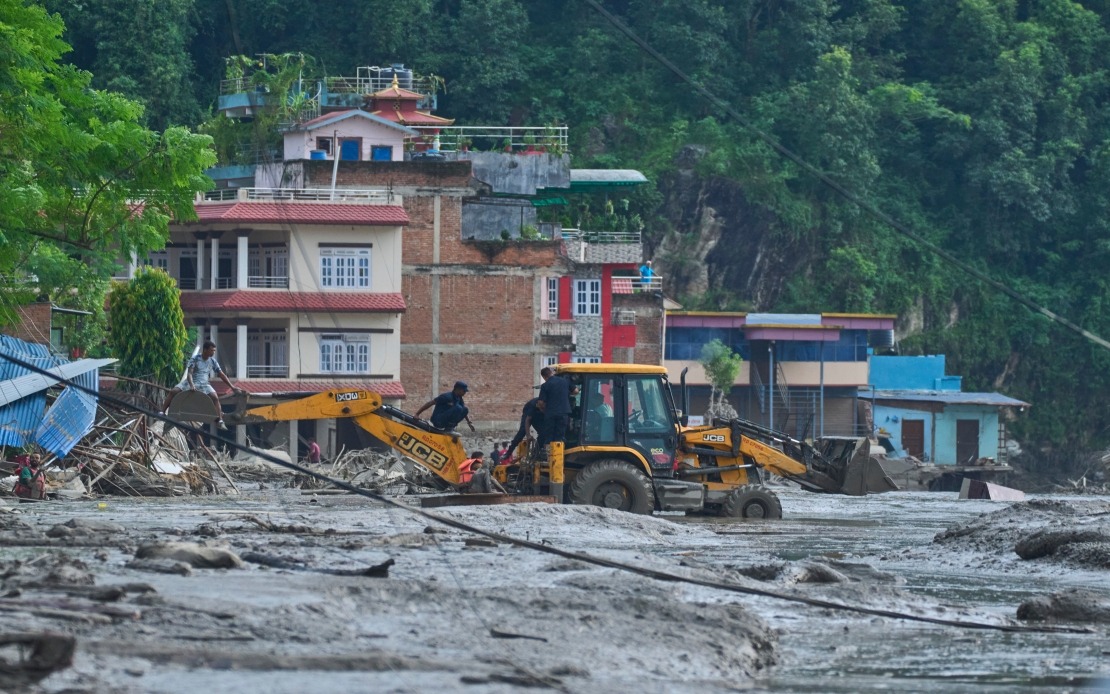
A catastrophic flash flood has left 17 Malaysians among hundreds of missing foreigners in Nepal's Rasuwa district, triggering urgent international rescue operations. The disaster struck the region on Wednesday morning, sweeping through settlements and severing communication links across affected areas. Nepal's tourism board confirmed that the missing Malaysians were part of tour groups operated by Fishtail Tours and Travels, one of several agencies with visitors caught in the flooding.
The scale of the humanitarian crisis continues to unfold, with at least 291 foreigners and 93 Nepalese nationals reported uncontactable as rescue teams mobilise across the disaster zone. Authorities have faced significant challenges in establishing contact with those affected, and efforts to verify the status and locations of missing persons remain ongoing. Tour operators and local police are working systematically to piece together information about missing visitors, though communication disruptions have hampered coordination efforts.
Malaysia's Foreign Ministry initially reported 11 Malaysian nationals believed to be in the Rasuwa district when contact was lost, though the tourism board's update raised that figure to 17. The Malaysian Embassy in Kathmandu has positioned itself as the primary liaison with Nepalese authorities, coordinating closely with local government and emergency response teams to locate affected citizens and verify their wellbeing. Embassy officials have indicated that search and rescue operations mobilised by the Nepalese government are prioritising the recovery of missing foreigners across multiple nationalities.
The Bhote Koshi river, which surged following intense rainfall, unleashed a torrent of water and debris that devastated the Rasuwagadhi-Timure area. The flooding destroyed critical infrastructure including sections of roads, several buildings, and hydropower facilities in the region. Multiple villages were swept away or severely damaged, leaving behind a landscape of destruction that has complicated rescue access to some areas. The sheer force of the floodwaters left little time for evacuation, trapping many visitors and residents in its path.
India has reported 142 of its nationals among the missing, including 37 citizens living abroad who were travelling in Nepal at the time. Citizens from Britain, South Africa, and the United States are also among the unaccounted for, indicating the international nature of tourist activities in the region. The diversity of affected nationalities reflects Nepal's significance as a trekking and tourism destination, particularly popular during the pre-monsoon and post-monsoon seasons when weather conditions are generally considered favourable.
The tragedy underscores the vulnerabilities that rapid-onset disasters pose to tourism infrastructure and visitor safety across the Himalayan region. Nepal's terrain, whilst spectacular and geologically significant, is inherently prone to flash flooding during monsoon periods and during rapid weather changes. The Rasuwa district, located in central Nepal and a gateway to popular trekking routes, attracts thousands of international visitors annually. Many were likely engaged in hiking expeditions when the flash flood occurred, potentially catching trekkers far from immediate assistance.
For Malaysian travellers, this incident serves as a sobering reminder of the risks associated with mountain tourism in developing nations with limited communication infrastructure. Tour operators and travel agencies facilitating such expeditions bear responsibility for implementing robust safety protocols, including weather monitoring systems, evacuation plans, and contingency communication methods. The involvement of Fishtail Tours and Travels places scrutiny on how well-established agencies assess and mitigate natural disaster risks before recommending specific routes or seasons to clients.
Nepal's search and rescue response has mobilised national resources under challenging conditions. The government has deployed specialised teams to navigate difficult terrain and unpredictable secondary hazards, including landslides and aftershocks to the primary flood event. However, the scale of the disaster and the dispersed nature of affected areas have created obstacles in rapidly locating and evacuating all missing persons. International coordination, with embassies providing information about their nationals, has helped guide rescue priorities.
The Malaysian government's handling of the crisis demonstrates its diplomatic capacity to mobilise resources during transnational emergencies. Beyond immediate rescue coordination, the Foreign Ministry faces the longer-term challenge of supporting affected families, processing casualty information as it emerges, and potentially pursuing accountability if negligence contributed to Malaysian citizens' vulnerability. The Embassy's active engagement with Nepalese authorities suggests Malaysia is treating the incident with appropriate urgency and diplomatic weight.
As rescue operations continue, the international community watches developments closely. The incident will likely influence future travel advisories and insurance assessments for trekking expeditions in Nepal. For Malaysian families awaiting news of missing relatives, the coming days represent an agonising period of uncertainty. The broader implications for Southeast Asian outbound tourism to high-risk natural disaster zones will become clearer as the crisis unfolds and investigations into preparedness measures commence.

