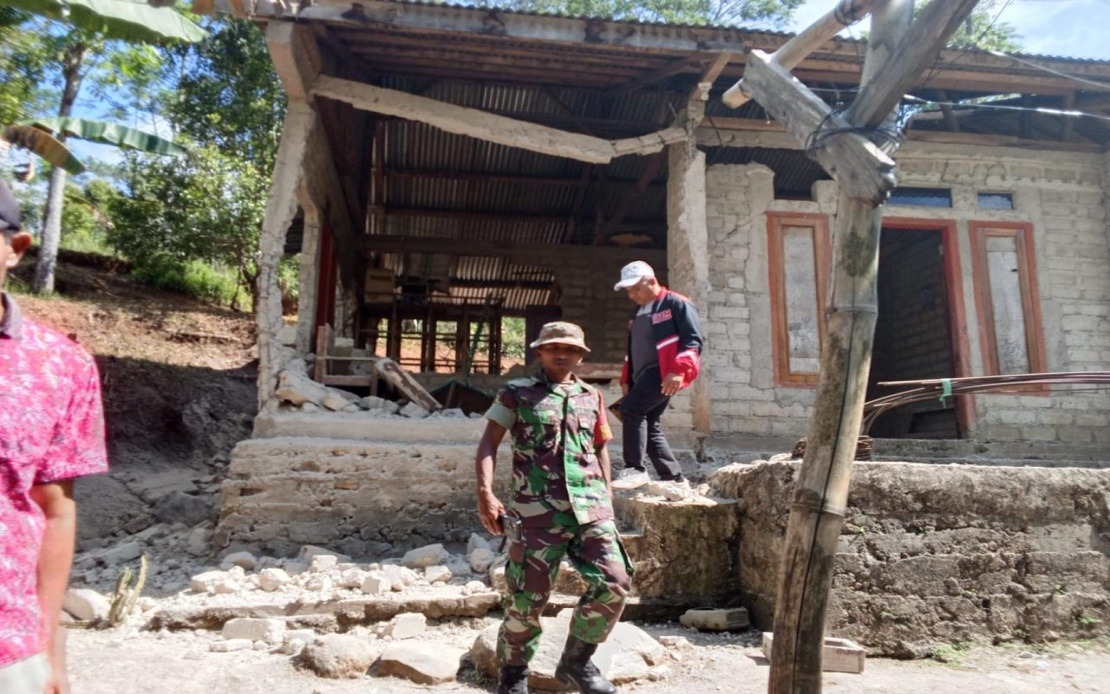
A group of 16 Malaysian tourists who found themselves in earthquake-affected areas on Flores Island in Indonesia's East Nusa Tenggara region have been accounted for and declared safe, according to a statement issued by Malaysia's Foreign Ministry on Saturday. The powerful magnitude 7.7 tremor struck the region at 4.58 am local time, centred northeast of Mbay in Nagekeo Regency, rattling the popular tourist destination and triggering immediate concerns for the safety of visiting nationals across the region.
The Malaysian Embassy in Jakarta moved quickly to establish contact with Malaysian citizens in the vicinity following the seismic event. Diplomatic staff successfully reached the group of 16 tourists and confirmed that all members are in good health with no injuries reported. The swift coordination between embassy officials and local authorities on the ground enabled the confirmation of their safety status within hours of the earthquake, demonstrating the effectiveness of Malaysia's consular network in the Indonesian capital.
No Malaysian nationals have been reported as casualties or affected by the earthquake and its immediate aftermath, the ministry stated in its official advisory. This outcome reflects both the fortunate positioning of Malaysian visitors at the time of the quake and the active monitoring systems that Malaysia maintains in areas where its citizens are known to be present. The embassy continues to work with relevant Indonesian authorities to maintain surveillance over Malaysian communities throughout the affected regions and neighbouring areas that may experience aftershock activity.
The response protocol activated by Malaysia's diplomatic mission illustrates the critical importance of pre-established communication channels and coordinated systems between missions abroad and their home governments. In major natural disasters affecting tourist destinations, rapid identification and contact with nationals can mean the difference between timely assistance and prolonged uncertainty for families waiting for news back home.
Malaysians currently residing in or planning travel to the affected regions have been advised to remain cautious and adhere strictly to safety guidelines issued by local Indonesian authorities. While the immediate threat has passed, seismic zones typically experience aftershock sequences that can continue for days or weeks following a major earthquake, and visitors should exercise heightened vigilance during this period. The ministry emphasised the importance of staying informed about local emergency procedures and evacuation routes should additional seismic activity occur.
The Foreign Ministry has urged all Malaysian citizens to keep their personal details current through the e-Konsular portal, an online registration system designed to maintain accurate contact information for nationals abroad. In emergency situations such as natural disasters, earthquakes, or other crises, this updated registry allows the ministry and its embassies to contact Malaysians quickly and efficiently without delays caused by outdated telephone numbers or addresses. The system has proven invaluable during multiple regional incidents over recent years.
For Malaysians requiring immediate assistance or facing emergency situations, the Malaysian Embassy in Jakarta has provided specific contact channels. The embassy's dedicated emergency helpline at +6281380813036 offers direct access to consular staff who can provide real-time guidance, coordinate evacuations if necessary, or facilitate medical assistance for injured nationals. Email inquiries can be directed to [email protected], though the telephone hotline is recommended for genuine emergencies requiring immediate response.
East Nusa Tenggara has long been an attractive destination for Malaysian tourists seeking volcanic landscapes, pristine beaches, and cultural experiences distinct from more developed resort areas. Flores Island, in particular, draws visitors interested in natural attractions such as the famous Komodo dragons and diverse diving sites. The region's popularity among Malaysian travellers means that major natural disasters there carry significant implications for the tourism industry and consular services, necessitating robust preparedness protocols that have been tested and refined over time.
Indonesia's position within the Pacific Ring of Fire makes it one of the world's most seismically active countries, with major earthquakes occurring regularly across its archipelago. The 7.7-magnitude event that struck East Nusa Tenggara on August 15 represents a significant seismic incident by global standards, and the initial response from Malaysian authorities demonstrates the maturity of the nation's crisis management procedures in regional disasters. The confirmation of tourist safety reflects coordination between multiple government agencies and embassies working within established frameworks developed through previous experiences with regional natural disasters.
The ministry's commitment to continuous monitoring and providing updates on the situation indicates that diplomatic attention remains focused on the affected region. Should new developments emerge affecting Malaysian citizens, whether related to continued seismic activity, infrastructure damage affecting travel, or other complications, the Foreign Ministry has pledged to communicate these changes promptly to affected nationals and their families. This proactive communication stance helps reduce anxiety among Malaysian diaspora communities and maintains public confidence in consular services during times of crisis.
The incident underscores the interconnected nature of travel and safety in Southeast Asia, where Malaysian tourists frequently traverse international borders to access beaches, cultural sites, and natural attractions. As tourism continues to define economic activity across the region, ensuring robust systems for tracking and protecting nationals in foreign countries becomes increasingly critical. The successful outcome of this situation, where all tourists were quickly accounted for and confirmed safe, reflects years of institutional development in consular services and regional cooperation frameworks that prioritise rapid information sharing and coordinated emergency response.

