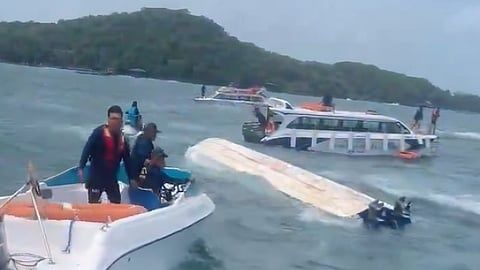
A speedboat ferrying Indian holidaymakers capsized in southern Vietnam on Saturday, claiming the lives of 15 tourists in what authorities have described as a significant maritime incident. The vessel, which was transporting 32 Indian visitors alongside four crew members, overturned roughly 400 metres from Hon May Rut Ngoai Island, situated adjacent to Phu Quoc, Vietnam's most expansive island territory. State media confirmed that rescue efforts extended across several hours, with 21 survivors pulled to safety and all fatalities recovered by the end of the operation.
The tragedy unfolded as the tour boat was making its return journey from the island destination, a common excursion point for visitors exploring the Phu Quoc area. Initial accounts from eyewitnesses suggest that vessels in the immediate vicinity responded swiftly to the emergency, with crews commencing rescue operations before official maritime authorities, navy personnel, and coast guard forces could arrive at the scene. This rapid civilian response likely prevented additional casualties, as bystander assistance proved critical during the critical opening moments of the disaster.
The rescue operation presented substantial challenges due to the number of passengers who became trapped within the vessel's interior after it overturned. Rescue teams faced difficulties extracting these individuals from the submerged or partially submerged compartments, according to reports from VN Express. The water conditions near the island and the speedboat's construction complicated extraction efforts, requiring coordinated action between multiple agencies including naval units and border security forces deployed to the Gulf of Thailand.
Phu Quoc occupies a central position within Vietnam's tourism infrastructure, functioning as one of the nation's premier beach resort destinations. The island's reputation for pristine white-sand shorelines and transparent tropical waters has established it as a magnet for both domestic Vietnamese travellers and international visitors seeking coastal recreation. The surrounding waters, including areas around Hon May Rut Island situated approximately 10 kilometres to the south, have similarly developed substantial tourism infrastructure catering to day-trippers and island-hoppers exploring the Gulf of Thailand region.
The incident reflects broader concerns about maritime safety in Southeast Asia's bustling tourism sector. Tourist boat operations in the region frequently operate in archipelagic environments where rapid weather changes and heavy traffic volumes create operational challenges. Vietnam's tourism industry, which attracts millions of visitors annually, relies substantially on water-based excursions, particularly in island-rich provinces like Kien Giang where Phu Quoc is situated. Such tragedies raise questions about vessel maintenance standards, passenger capacity oversight, and crew training protocols across regional maritime operations.
For Malaysian travellers and tour operators, the incident carries particular resonance given the substantial cross-border tourism flows throughout Southeast Asia. Many Malaysian tourists visit Vietnamese coastal destinations annually, and numerous Malaysian travel agencies arrange packages to Phu Quoc and neighbouring islands. The accident underscores the importance of rigorous safety audits and insurance protocols for tourists undertaking water-based activities in the region, factors that increasingly influence destination selection and tour operator choice among Southeast Asian holidaymakers.
Authorities initiated an investigation into the circumstances surrounding the capsizing, though preliminary findings regarding the cause remained undisclosed at the time of reporting. Determining whether mechanical failure, adverse weather conditions, overcrowding, or operational error contributed to the disaster will require detailed examination of the vessel, environmental data from the incident timeframe, and crew testimony. Such investigations typically extend over weeks or months as maritime authorities compile physical evidence and witness statements.
The rescued survivors and families of the deceased face significant trauma and logistical challenges. Indian consular authorities in Vietnam would typically coordinate repatriation procedures, medical documentation, and liaison with Vietnamese investigative agencies. The incident has implications for travel advisory protocols issued by the Indian government regarding water-based tourism activities in Vietnam, potentially influencing future booking patterns and operator selections among Indian tour groups.
Vietnam's maritime safety regulations and enforcement mechanisms have periodically drawn international scrutiny, particularly following high-profile incidents involving tourist vessels. The government has implemented various safety initiatives in recent years, though compliance standards vary considerably across different operators and regions. This incident will likely prompt renewed examination of regulatory frameworks and their implementation within Vietnam's tourism sector, with potential repercussions for operational standards across the Mekong Delta and Gulf of Thailand tourism zones.

