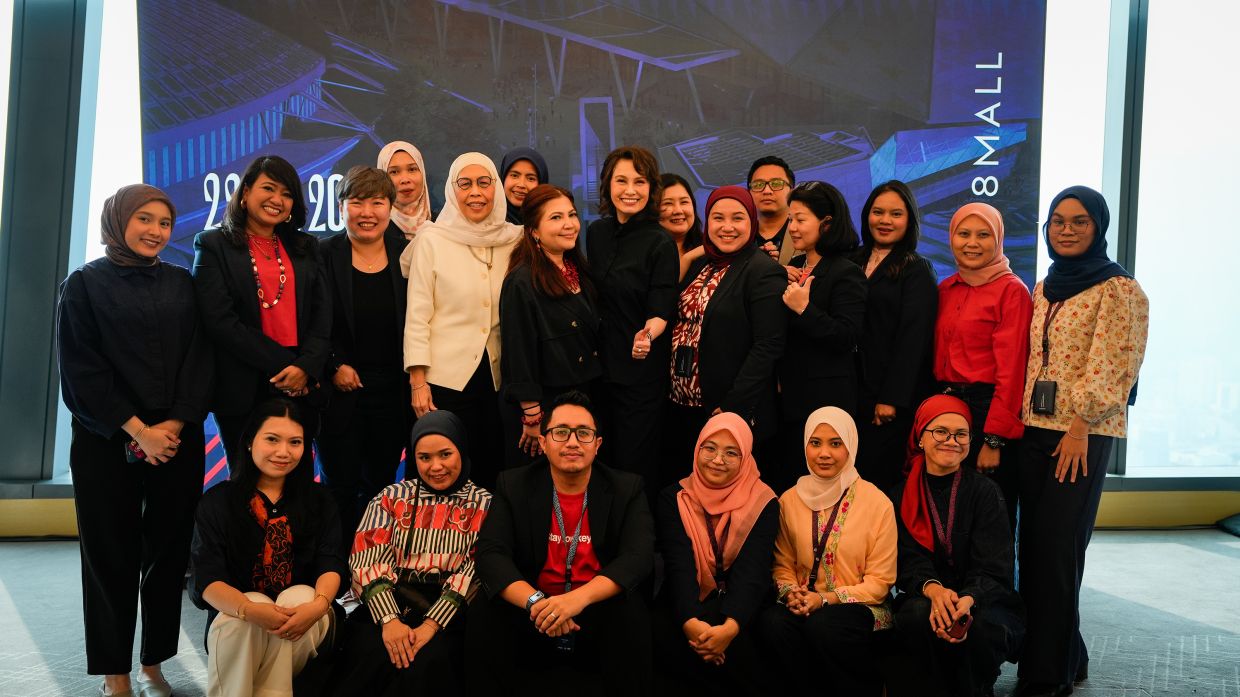
The developers of 118 Mall have brought together over 200 retail partners for an inaugural gathering designed to build momentum ahead of the shopping destination's scheduled launch in November 2026. Held at Park Hyatt Kuala Lumpur, the Retailers' Get-Together convened tenants spanning fashion, food and beverage, lifestyle and services sectors to receive updates on mall construction progress and the broader Merdeka 118 integrated precinct that will surround it.
The participating retailers paint a picture of the mall's anticipated tenant mix, featuring a blend of international flagship brands and established Malaysian operators. International names such as adidas, ALDO, Converse, Foot Locker, Guess and Lacoste have secured space, while local players including Village Grocer, Best Denki and BookXcess will operate alongside them. The inclusion of speciality operators like Makanism Foodhall and Benjamin Barker reflects the developer's intention to create curated retail experiences rather than a conventional shopping centre. Notably, the Malaysian Artisan District will occupy dedicated space, offering visibility to homegrown brands alongside international competitors—a strategy increasingly common in Southeast Asian mall developments seeking to balance global appeal with local authenticity.
According to PNB Merdeka Ventures chief executive officer Datuk Ir. Ts. Izwan Ibrahim, 118 Mall derives its competitive advantage from its position within the larger Merdeka 118 ecosystem. Rather than functioning as an isolated retail hub, the mall sits adjacent to luxury hospitality, tourism attractions, heritage facilities and corporate office space. This integrated approach aims to generate diverse visitor flows—combining international hotel guests, business professionals, tourists and local shoppers into a unified customer base. The strategy reflects a global trend away from traditional shopping malls toward mixed-use precincts that justify visits for multiple purposes beyond retail alone, particularly relevant in Malaysia's competitive property market.
The developer projects 118 Mall will welcome up to 22 million visitors during its inaugural year of operations, a figure that underscores confidence in the precinct's drawing power. For context, this projection suggests the mall aims to compete with Kuala Lumpur's established shopping destinations by leveraging the distinct advantages of proximity to the Merdeka 118 towers and associated amenities. Sue Wang, head of retail for 118 Mall, emphasized that this anticipated footfall should provide enduring commercial value for tenants, framing the relationship as a shared prosperity model rather than a landlord-tenant extraction arrangement.
The seven-storey structure will house more than 300 retail outlets spread across multiple floors, a substantial tenant roster that suggests comprehensive category coverage from fashion and accessories through food service and lifestyle services. The scale indicates the developer is positioning 118 Mall as a full-service shopping destination capable of addressing diverse shopping missions in a single location. The inclusion of experiential spaces for brand activations and digital display networks for promotional content reflects contemporary retail design, where operators seek to create engagement opportunities beyond traditional storefront transactions.
Developers also briefed participating retailers on marketing opportunities and promotional mechanisms available within the mall environment. The existence of dedicated event spaces and digital displays suggests a managed approach to tenant marketing, where the mall itself functions partly as a platform for coordinated brand activation rather than leaving promotional efforts entirely to individual operators. This centralized marketing approach can benefit retailers unable to sustain independent marketing campaigns while potentially enhancing visitor experience through curated brand experiences.
The timing of this inaugural retailers' gathering reflects typical pre-opening procedures for major shopping developments in the region. With approximately 18 months before opening, developers typically convene tenants to finalize merchandising plans, align on operational procedures and build collective enthusiasm for the launch. Such gatherings serve multiple functions—sharing construction timelines, clarifying lease obligations, presenting market research and establishing community among tenants who will compete yet coexist within the same physical space.
For Malaysian retail generally, the 118 Mall project demonstrates continued confidence in physical retail infrastructure despite global e-commerce expansion. Developer investment in a 300-outlet shopping centre suggests belief that destination retail remains viable when properly positioned within complementary uses and accessible locations. The emphasis on both international brands and local artisan offerings reflects acknowledgment that contemporary Malaysian consumers increasingly value authenticity and local connection alongside global brand prestige—a nuance that distinguishes current retail development from earlier decades' undifferentiated brand homogenization.
The Merdeka 118 precinct of which the mall forms part represents one of Kuala Lumpur's most ambitious mixed-use developments in recent years. Combining residential, commercial, hospitality and retail components creates a self-reinforcing ecosystem where each component theoretically drives traffic and economic activity to others. Success in such an integrated model depends heavily on execution—ensuring that hotel operations, office leasing, dining and entertainment draw the projected visitor volumes that justify retailers' participation and investment.
For regional context, Malaysia continues investing substantially in retail infrastructure despite Southeast Asia's rapid e-commerce growth. The persistence of major mall developments suggests developers and property investors believe physical retail experiences addressing specific consumer needs—dining, entertainment, luxury goods inspection, social gathering—will remain viable alongside digital commerce. The 118 Mall initiative reflects this balanced perspective rather than a wholesale rejection of traditional retail channels.
Retailers participating in the gathering face both opportunity and risk. The 22 million projected annual visitors represent significant sales potential, but execution depends on the precinct delivering promised foot traffic and the tenant mix proving sufficiently compelling to drive repeat visits. For internationally established brands, the opportunity to access a major new customer pool in Kuala Lumpur's premium location outweighs execution risks. For Malaysian operators and artisan brands, the platform offers exposure to tourist and affluent local customers they might not otherwise reach.
The inaugural retailers' gathering demonstrates that despite November 2026 remaining more than a year away, planning and coordination for major shopping centre openings in Malaysia requires extended timelines and intensive stakeholder engagement. Successful shopping destinations emerge from careful curation of tenant mixes, genuine integration with surrounding uses, and sustained collaboration between developers, retailers and consumers. The 118 Mall initiative suggests Malaysian property development continues embracing these principles as the market evolves.

